Skip to content
Geotechnical Design and Consultancy

Geotechnical Design and Consultancy

Geotechnical Design and Consultancy

Results from site investigations and laboratory tests are combined into geological-geotechnical models. Complex 2D and 3D software analysis programs are used in this modeling process, and the models are used to develop suitable foundation methods and optimize structures’ interactions with the ground.

Because geological-geotechnical models are based on individual samples, the resulting uncertainties and/or risks, especially of complex large-scale projects, are then identified using probabilistic computational models.

ILF’s services in geotechnical engineering and soil mechanics include:

  • Geomechanical design
  • Geotechnical calculations
  • Geological and geotechnical documentation, site services and consulting services
  • Foundation engineering consulting services
  • Stability and serviceability analyses

Explore Related Expertise

Explore specialized services that complement this expertise across every stage of project delivery.
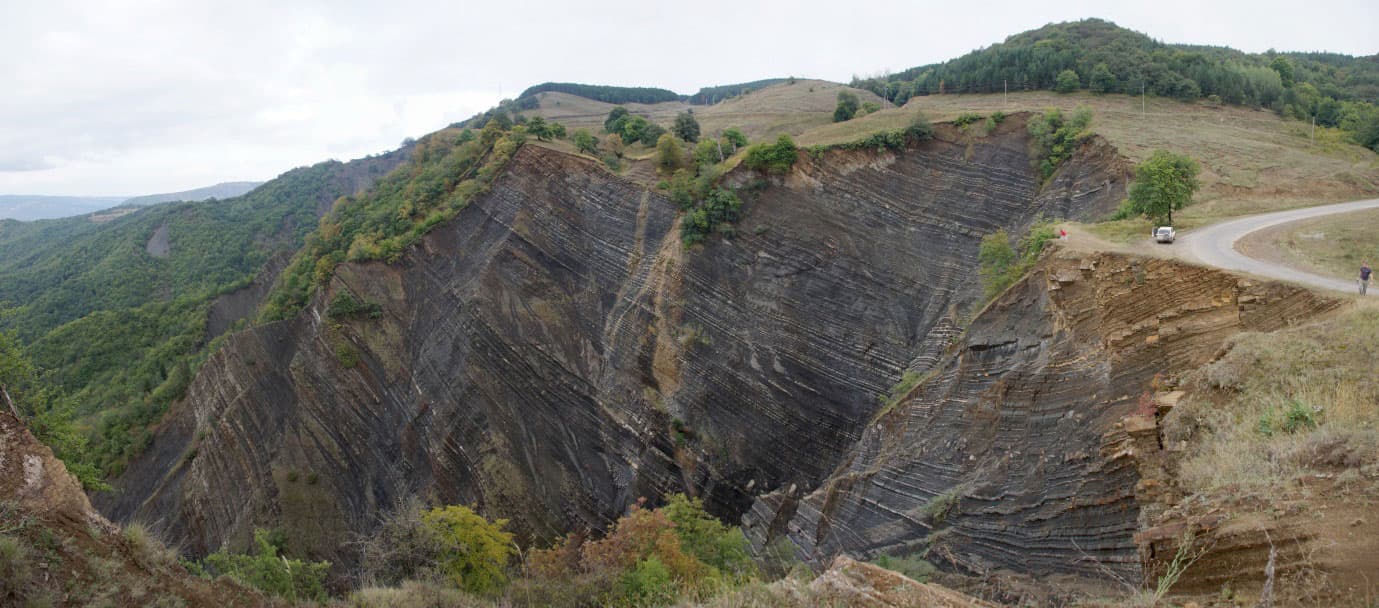
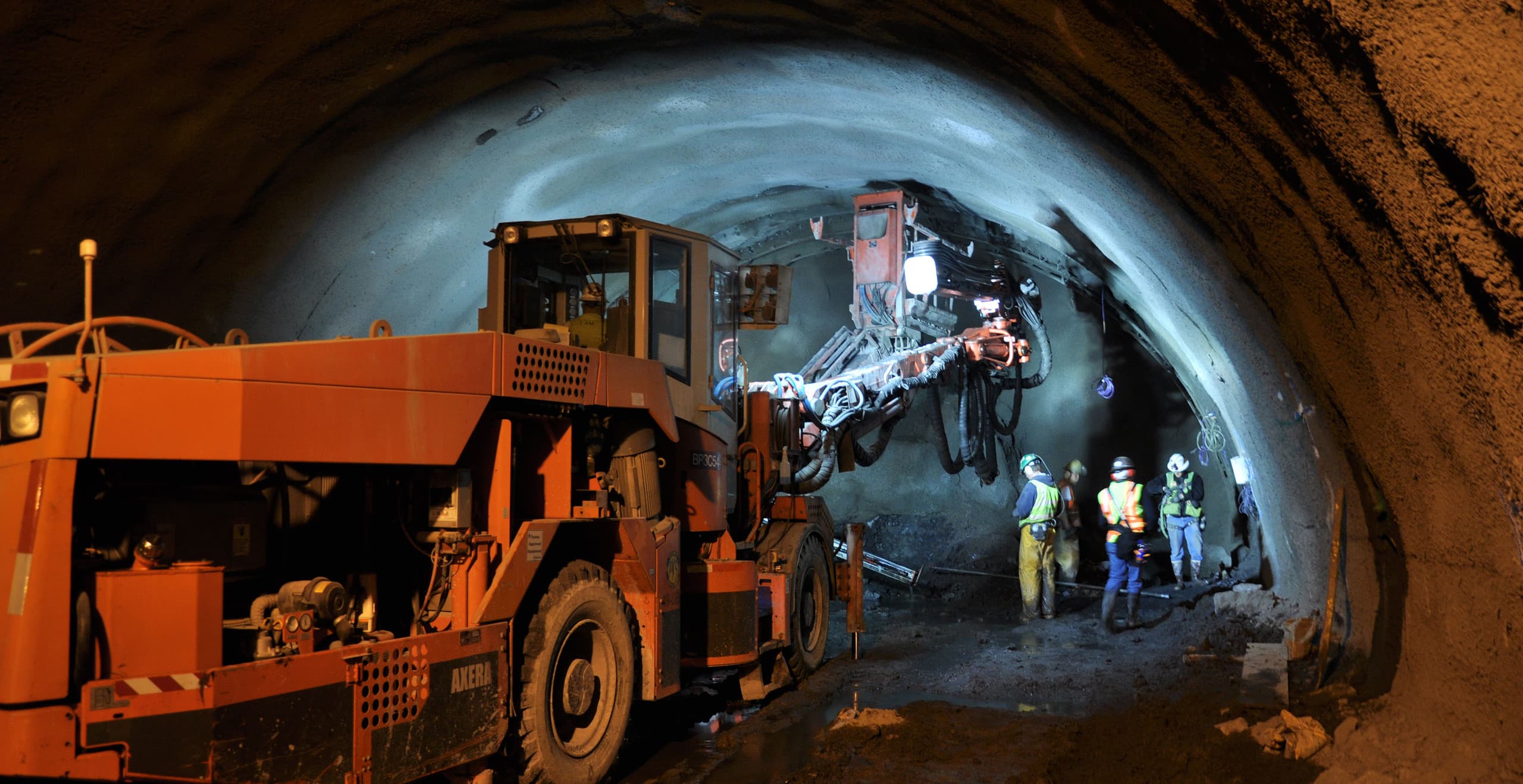
Geological and Hydrogeological ConsultancyState-of-the-art soil investigations are needed for efficient project development. Accurate and sufficiently detailed soil investigations reduce the risk of encountering changed ground conditions during the construction phase that would increase cost for the client. Comprehensive geological documentation and validated information about ground conditions are of great importance to all parties involved.
pic_aging_infra.jpg
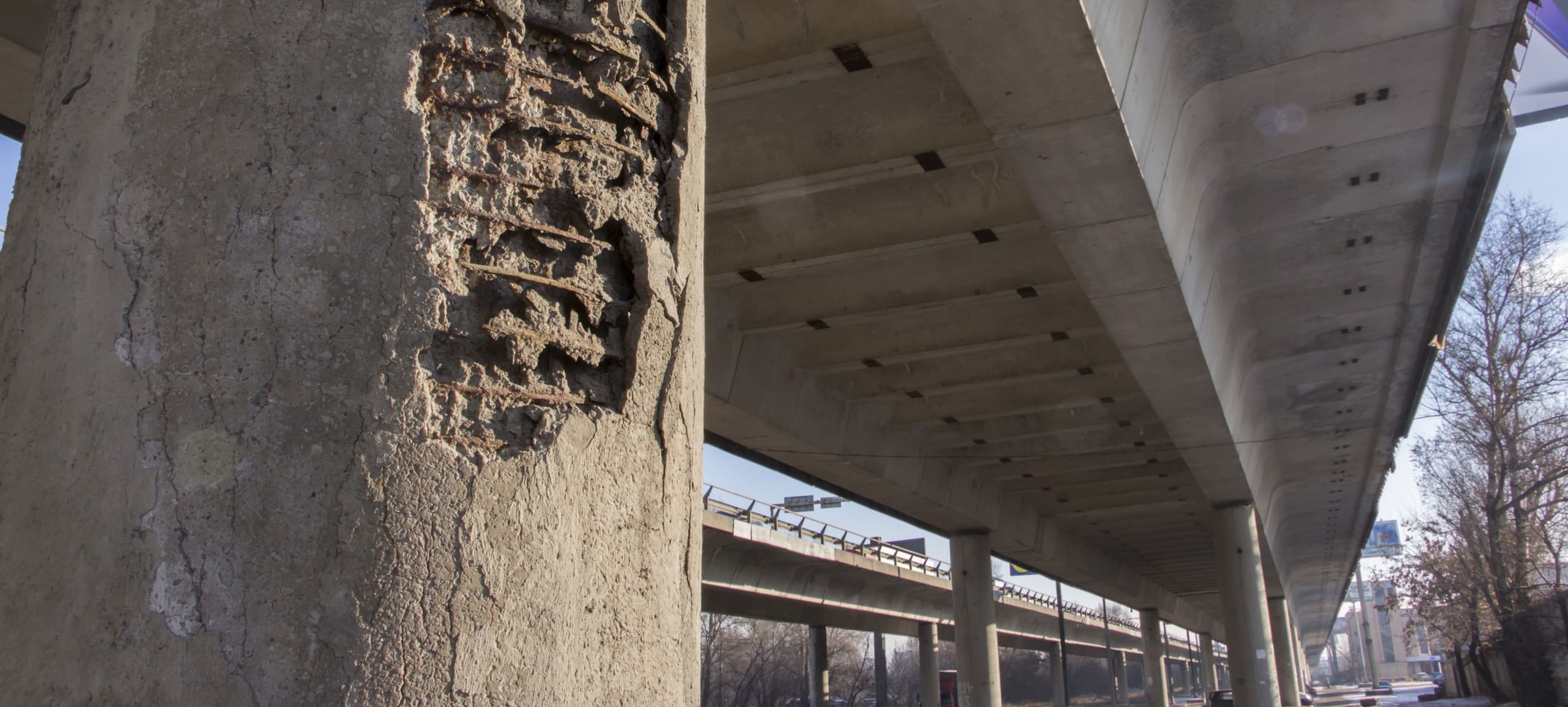
Rehabilitation of Aging InfrastructureIn the industrialized countries, the 1970s were characterized by a burgeoning economy, expanding mobility, a rise in traffic, growing energy demand and significantly increased water usage. This went hand in hand with extensive investments in infrastructure facilities, especially motorways and railway lines including bridges and tunnels, in hydropower plants, water supply systems, and wastewater disposal and treatment plants. Such structures were designed for a service life of 60 to 80 years. The respective facilities were planned and constructed according to the knowledge at the time and the predicted social development and expected long-term material behavior.
pic_header_natural_hazard_web.jpg
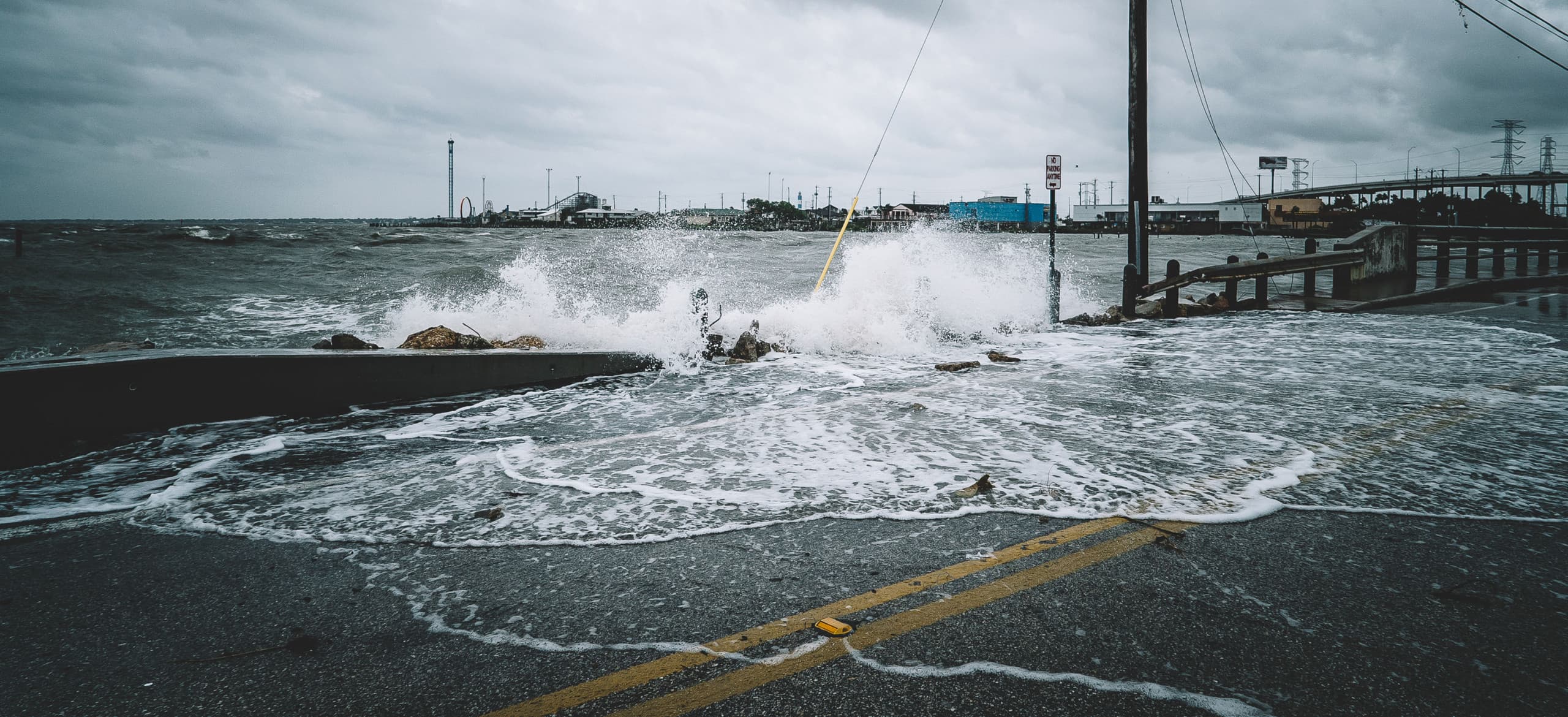
Disaster Risk ManagementOne of the most decisive factors for the successful development, construction and operation of infrastructure systems is the assessment and management of natural hazards – e.g. erosion, slope instabilities (landslides), flooding and seismic hazards – which are often consequences of climate change. When developing and designing engineering projects, it is of utmost importance to assess various types of potential natural hazards by conducting desk and field studies that are supported by geotechnical investigations. Subsequently, appropriate mitigation measures are planned.

Start Your Next Engineering Project with Us

Partner with our experts to deliver complex infrastructure, energy, and environmental projects with precision and long-term impact.

Start Your Next Career Steps with Us

Join our team and help shape sustainable solutions for the infrastructure and energy challenges of tomorrow.

Explore Careers