Skip to content

Additional Services

Specialized Expertise for Complex Challenges

Large-scale projects often involve challenges that extend beyond traditional engineering, consulting, and project management services. To support every stage of the project lifecycle, ILF provides a broad range of specialized advisory, planning, environmental, digital, and risk management services.

Our multidisciplinary experts help clients address complex technical, environmental, regulatory, and operational requirements while reducing project risks and improving long-term performance. Whether supporting sustainability initiatives, critical infrastructure resilience, environmental planning, or digital asset management, ILF delivers tailored expertise that complements core project services and creates lasting value.

Specialized Services Across 
Every Project Phase

Explore specialized expertise that supports sustainability, resilience, environmental planning, digital transformation, and infrastructure development throughout the project lifecycle.

Climate Change ManagementClimate change is reshaping industries, infrastructure, and investment priorities worldwide. Organizations face increasing pressure to reduce greenhouse gas emissions, improve sustainability performance, and adapt to evolving environmental regulations.
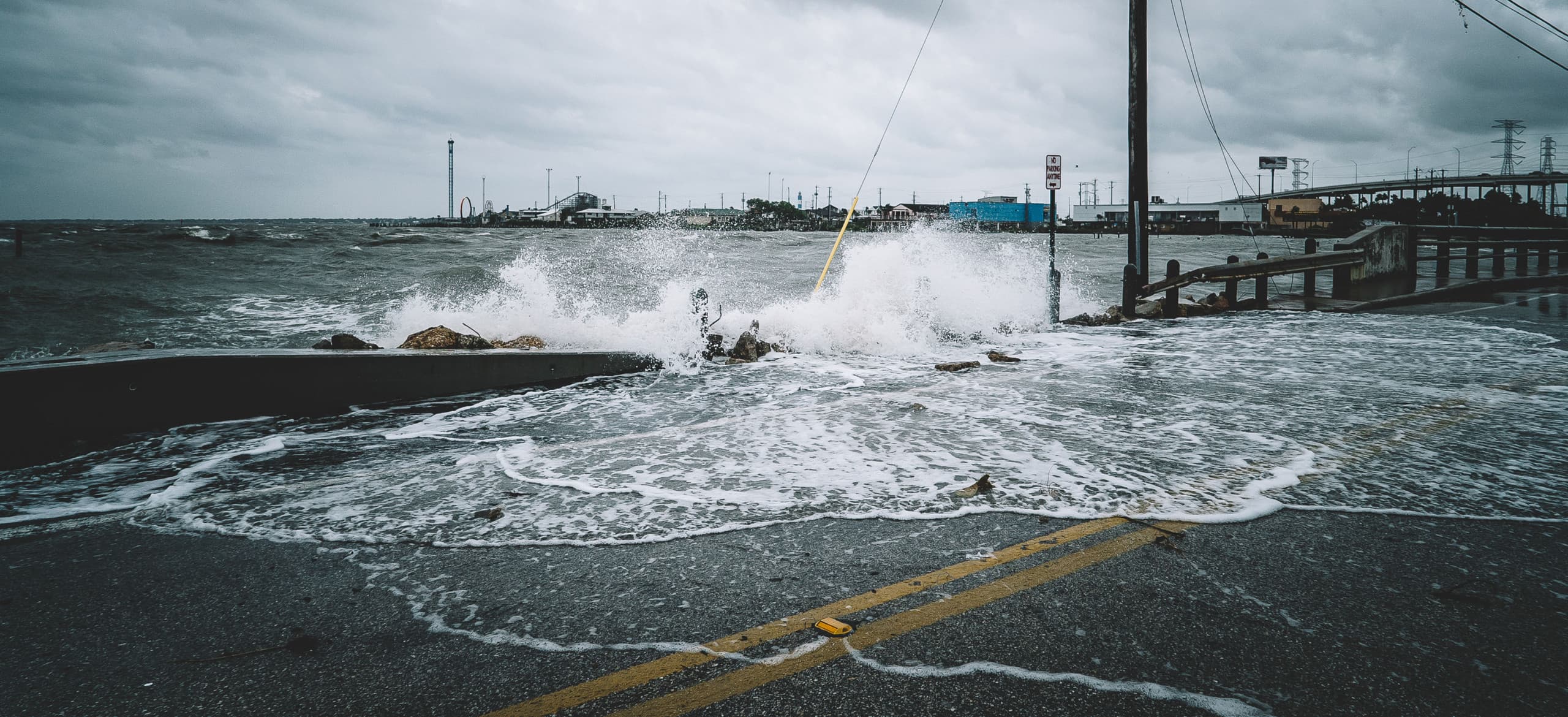
Disaster Risk ManagementOne of the most decisive factors for the successful development, construction and operation of infrastructure systems is the assessment and management of natural hazards – e.g. erosion, slope instabilities (landslides), flooding and seismic hazards – which are often consequences of climate change. When developing and designing engineering projects, it is of utmost importance to assess various types of potential natural hazards by conducting desk and field studies that are supported by geotechnical investigations. Subsequently, appropriate mitigation measures are planned.
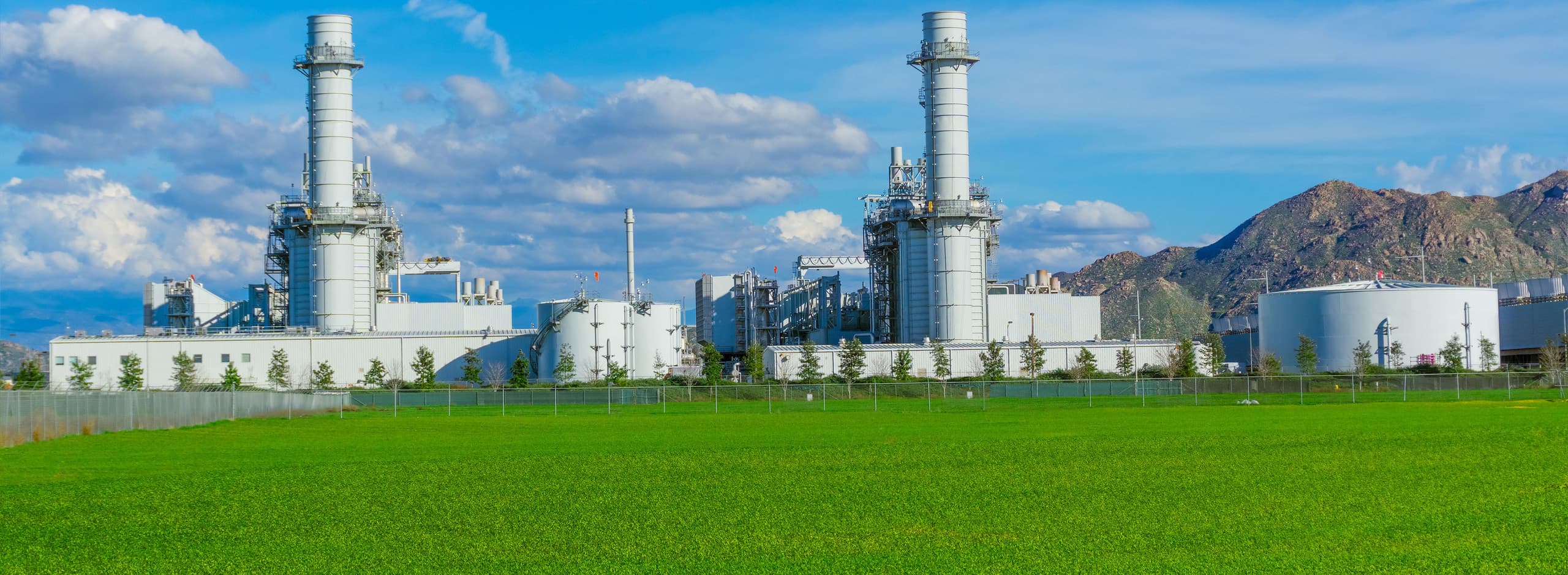
Energy ConceptsThe increasing environmental awareness of society, industry and politics requires new avenues of energy production, transmission and distribution. Energy consultancy serves to analyze and structure infrastructure plans to develop them into profitable and energy-efficient investment projects. Taking an interdisciplinary approach contributes significantly to ensuring the success of an energy investment project.
Environmental PlanningThe decisive criteria for implementing complex projects are their funding and their likelihood of receiving authority approval. Availability of funding and the ability to gain authority approval determine the feasibility of these complex projects.
Environmental & Social ManagementSustainable project realization has become a key aspect for planning and realizing large-scale infrastructure projects. Laws, international conventions, bank standards, and corporate principles demand that the potential negative impacts of a project are identified, addressed, and adequately mitigated.
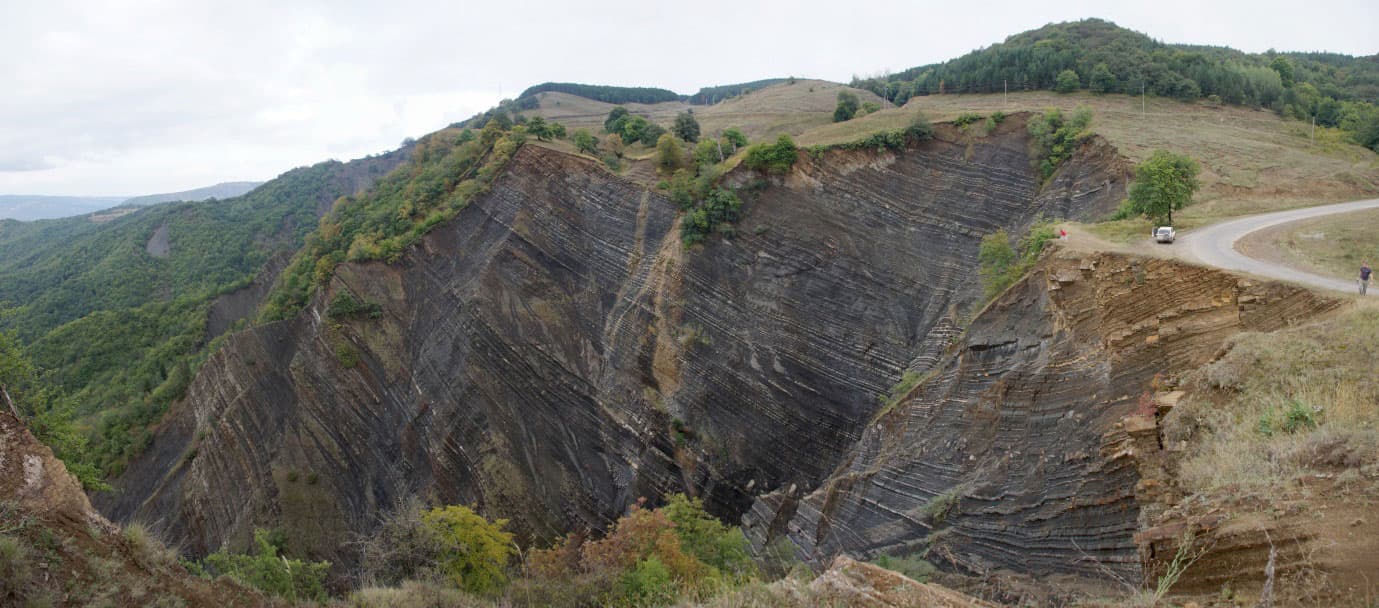
Geological and Hydrogeological ConsultancyState-of-the-art soil investigations are needed for efficient project development. Accurate and sufficiently detailed soil investigations reduce the risk of encountering changed ground conditions during the construction phase that would increase cost for the client. Comprehensive geological documentation and validated information about ground conditions are of great importance to all parties involved.
Geotechnical Design and ConsultancyResults from site investigations and laboratory tests are combined into geological-geotechnical models. Complex 2D and 3D software analysis programs are used in this modeling process, and the models are used to develop suitable foundation methods and optimize structures’ interactions with the ground.
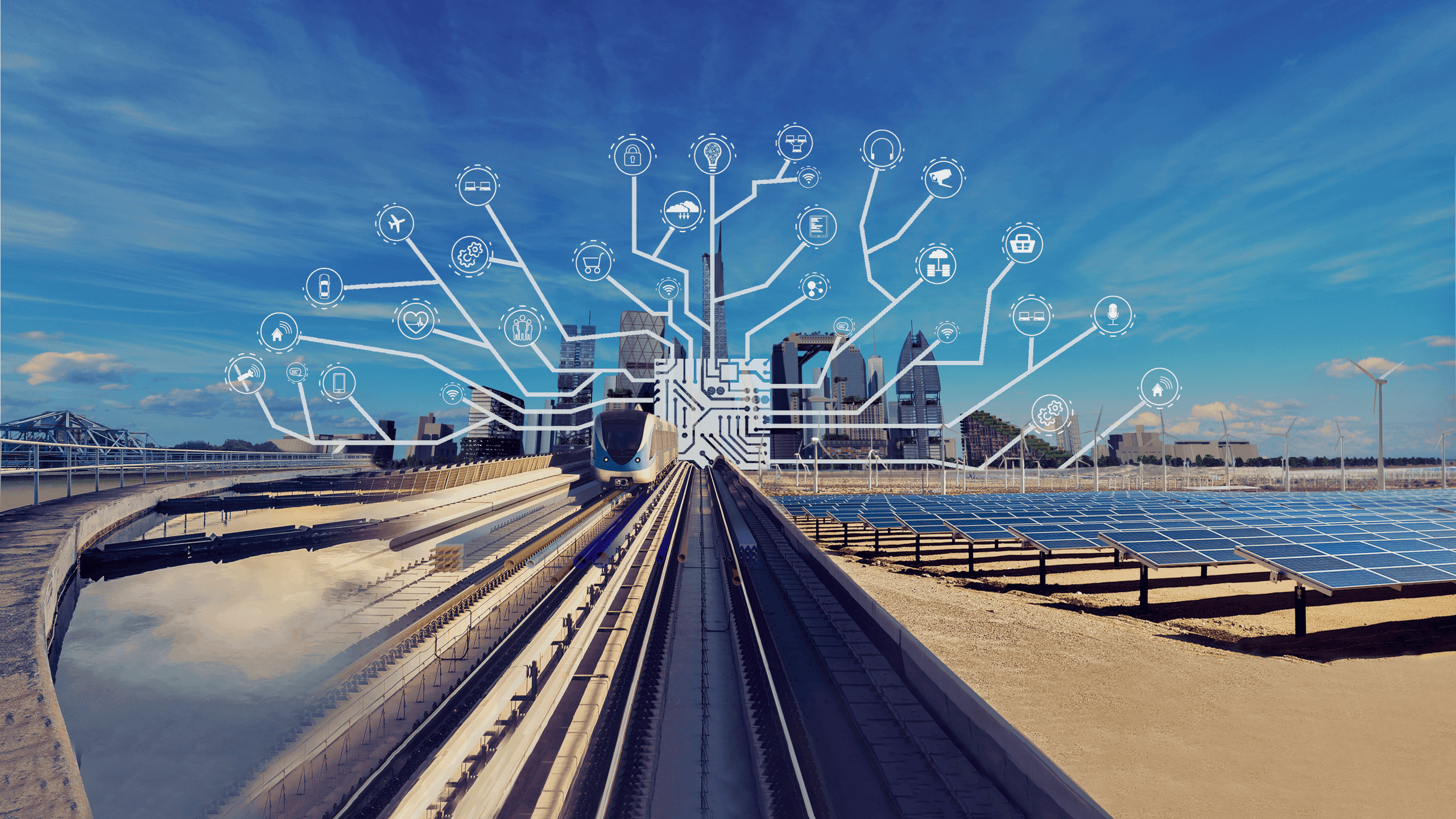
Information Management – GIS & BIMWhen designing and planning large-scale projects, large quantities of data and information have to be collected, structured, processed and managed so that the data can be shared and accessed by the relevant parties at the right time. This requires the use of state-of-the-art technology which supports integrated design processes, engineering analyses and data management. Based on project size, phase and scope, ILF implements project specific solutions to facilitate meeting client requirements.
Resilience Management of Critical InfrastructureThe physical, information and operational security of transportation infrastructure, industrial facilities and other types of infrastructure is subject to a wide range of threats. These range from typical natural hazards, which are sometimes dramatically altered by the effects of climate change, to slow-onset defects, technical faults and accidents, as well as to targeted attacks such as cybercrime. Such sophisticated attacks often bypass traditional security measures and have the potential to disrupt operations or production, cause spills or product contamination, destroy structures or process equipment, or even endanger human life. Isolated technological, administrative or organizational measures cannot stop such attacks. Instead, a holistic approach to resilience management focuses on keeping the infrastructure or facility safely available as much as possible by preventing its exposure to disruptive events, limiting the effects of such events, and/or recovering quickly from them – as well as adapting appropriately to changing circumstances that could adversely affect availability.
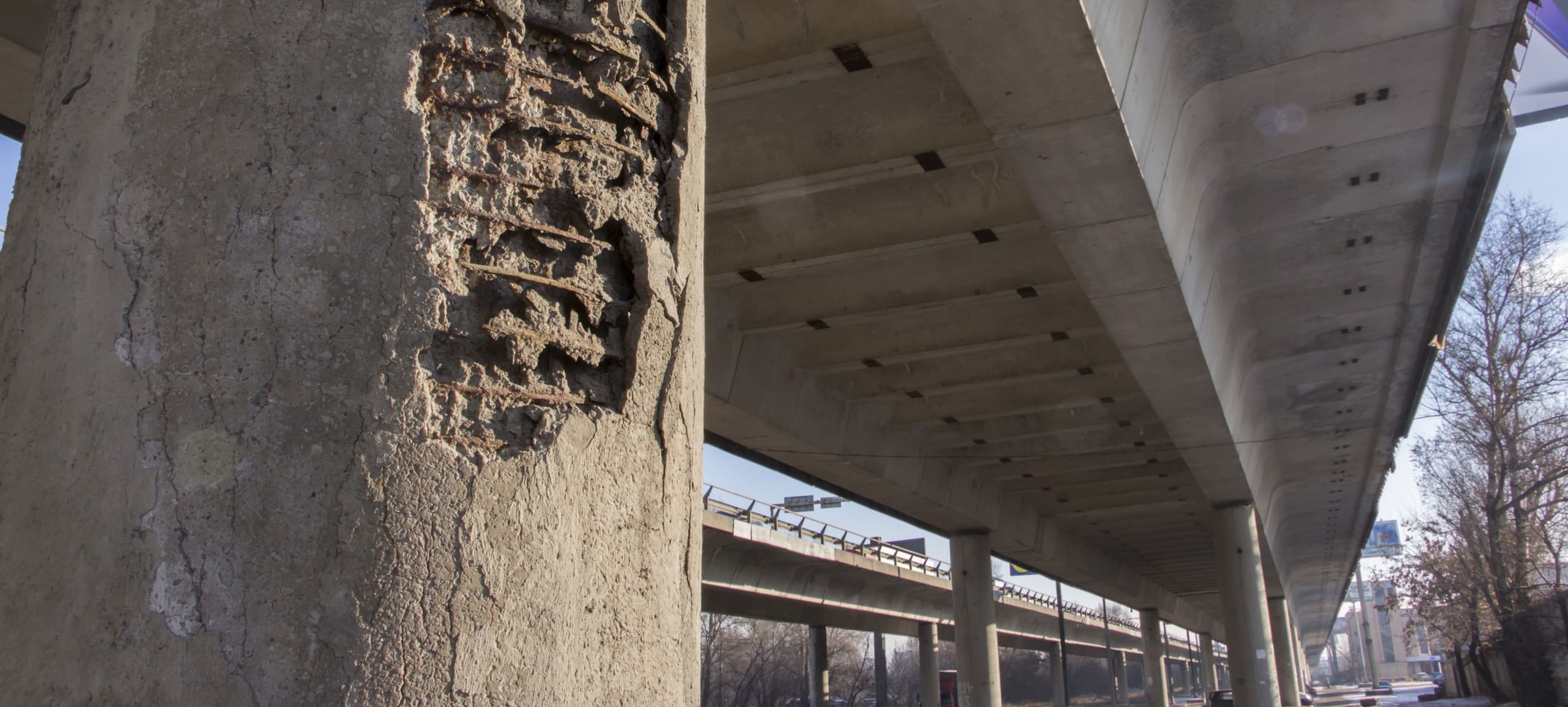
Rehabilitation of Aging InfrastructureIn the industrialized countries, the 1970s were characterized by a burgeoning economy, expanding mobility, a rise in traffic, growing energy demand and significantly increased water usage. This went hand in hand with extensive investments in infrastructure facilities, especially motorways and railway lines including bridges and tunnels, in hydropower plants, water supply systems, and wastewater disposal and treatment plants. Such structures were designed for a service life of 60 to 80 years. The respective facilities were planned and constructed according to the knowledge at the time and the predicted social development and expected long-term material behavior.
Risk & Safety ManagementDue to historic, large-scale accidents, the risk inherent to infrastructure and industrial projects in general has become the focus of public attention. This has resulted in more stringent risk and safety standards for structures and facilities, and it has led to risk and safety specific investigations and verifications being required as early as at the permit application stage of a project.
Sustainability Advisory ServicesIn the short to medium term, all industry practices will have to become more sustainability. That is why it is necessary to develop green strategies and sustainability action plans for energy, water, waste, construction, as well as infrastructure and transport businesses.
Urban DevelopmentWhether on a city or district level, sustainable infrastructure is essential for greenfield and urban transformation projects in order to create livable and attractive urban environments. From water and energy supply systems to mobility networks, infrastructure systems constitute the cornerstones of urban spaces, providing environments around which many people’s lives are centered.

Connected Expertise

Explore complementary services that help deliver successful projects from strategy and planning to execution and long-term performance.

Start Your Next Engineering Project with Us

Partner with our experts to deliver complex infrastructure, energy, and environmental projects with precision and long-term impact.

Start Your Next Career Steps with Us

Join our team and help shape sustainable solutions for the infrastructure and energy challenges of tomorrow.

Explore Careers